Address
P.O.BOX 2964,
Block A, Sweya
Mwanza, Tanzania
info@emedo.or.tz
Work Hours
Monday to Friday: 8AM - 5PM
Address
P.O.BOX 2964,
Block A, Sweya
Mwanza, Tanzania
info@emedo.or.tz
Work Hours
Monday to Friday: 8AM - 5PM
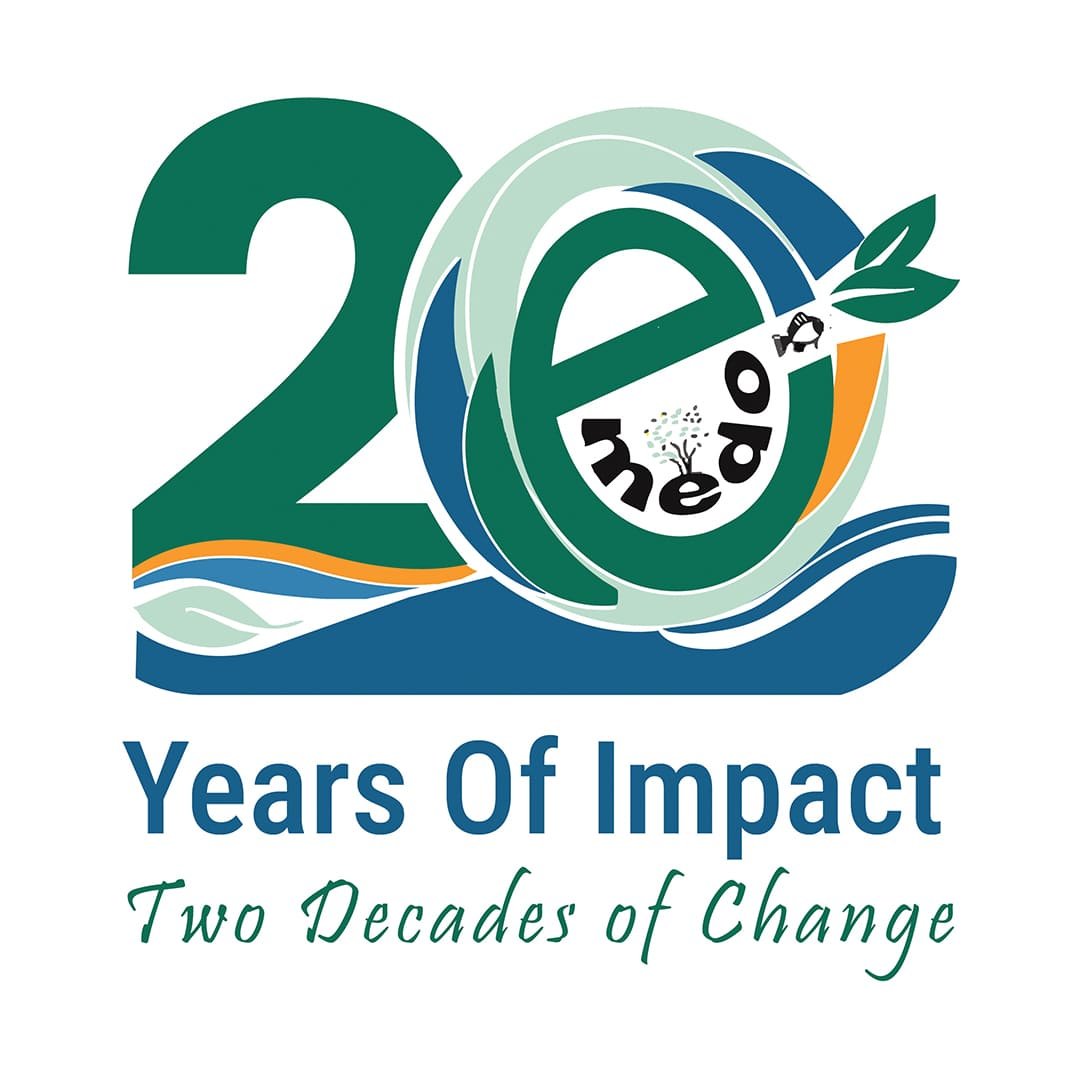
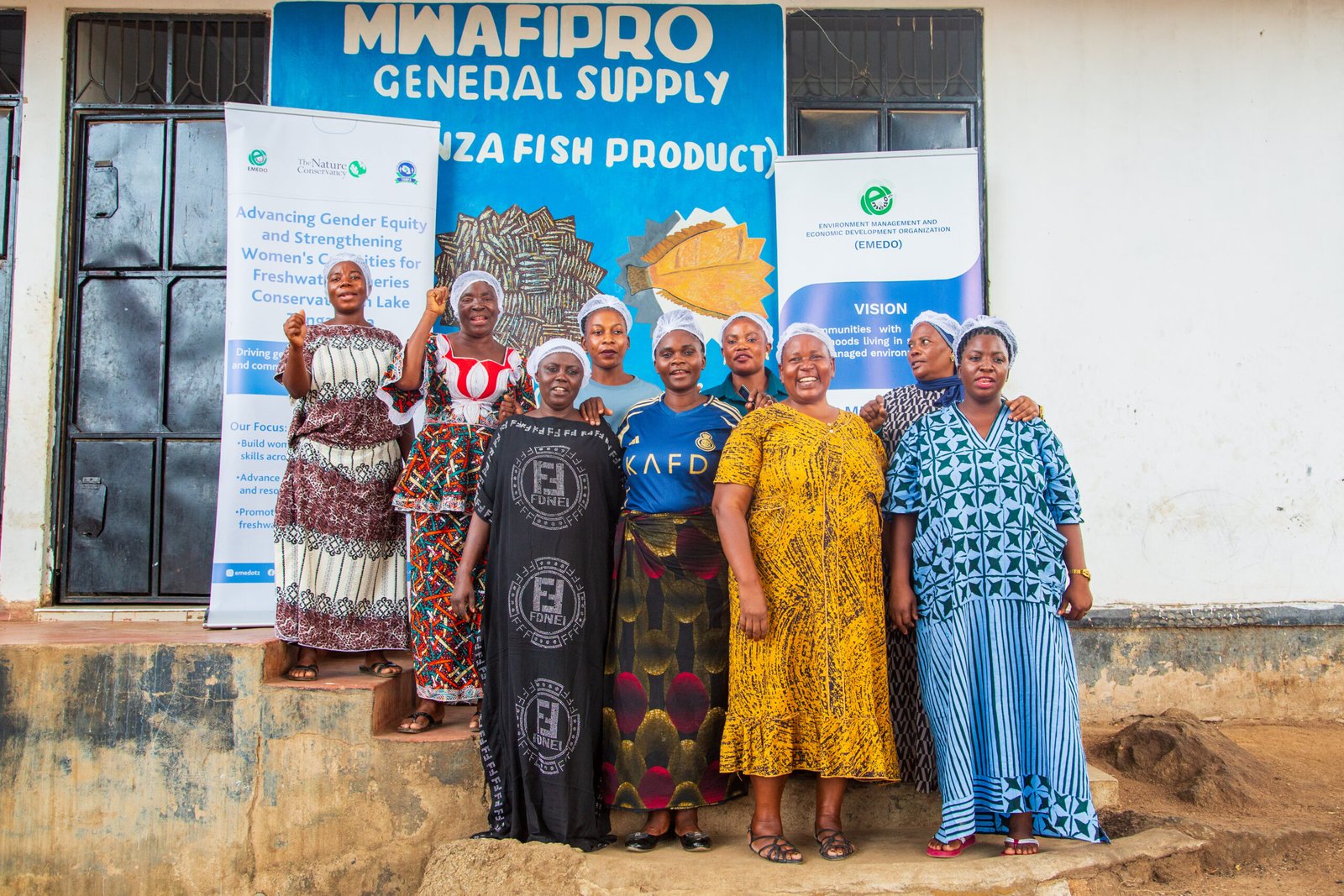
Improved fish processing, better preservation practices and access to wider markets are among the opportunity’s women fish processors from the Lake Tanganyika Zone are exploring through peer learning with their counterparts in the Lake Victoria Zone. Women from Kigoma, Katavi and Rukwa regions travelled to Mwanza to learn practical approaches and innovations that could help strengthen their fish-processing businesses, reduce post-harvest losses and improve their livelihoods.
On 22 October, the women visited MWAFIPRO (General Fish Supply) in Kanyerere, Mwanza, through an initiative facilitated by the Environmental Management and Economic Development Organization (EMEDO), with support from The Nature Conservancy (TNC).
The exchange visit provided an opportunity for women from the Lake Tanganyika Zone to learn from the experiences of another fishing community, particularly in fish processing, value addition, preservation and marketing.
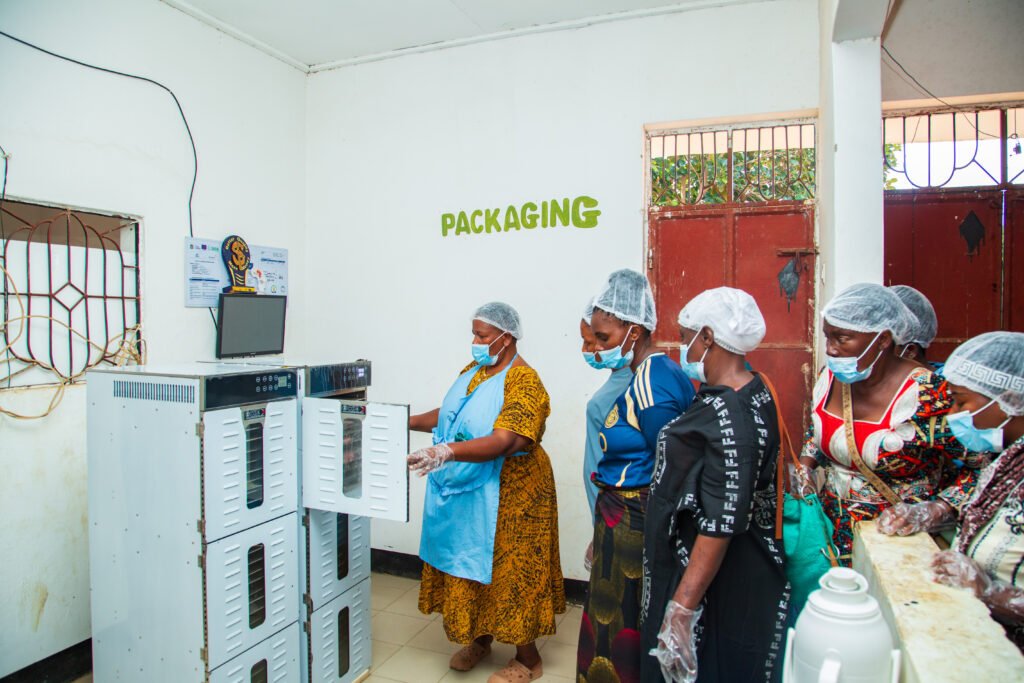
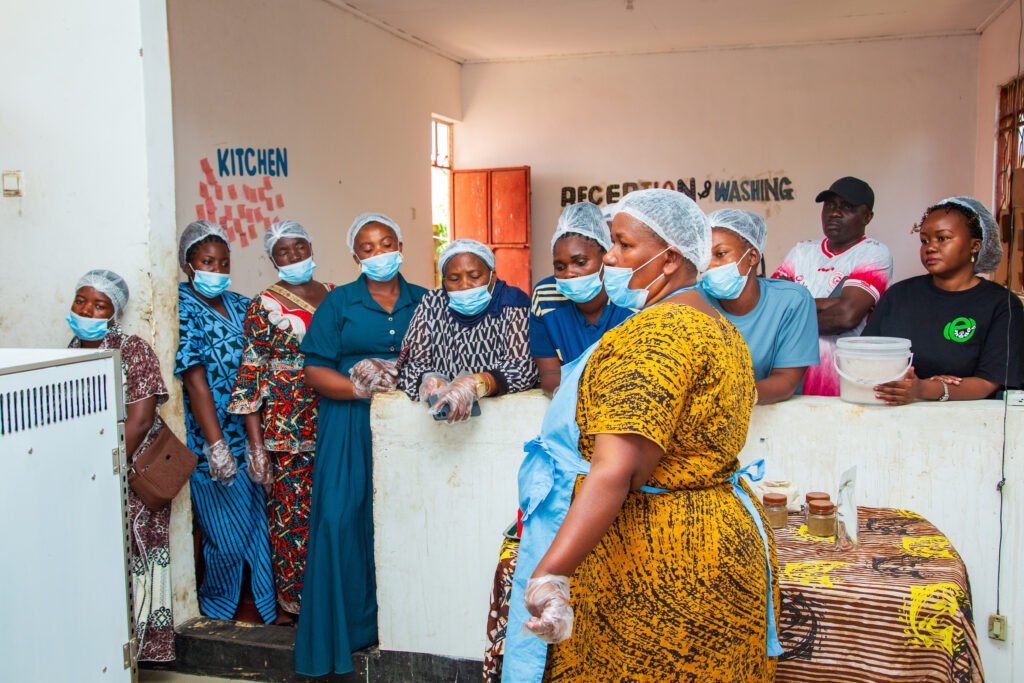
At MWAFIPRO, participants observed improved fish-drying technology, including an electric machine that dries fish without smoke and helps preserve processed products for longer periods.
For women who traditionally depend on smoking and open-air drying, this offered an opportunity to explore alternative methods that could improve product quality and address some of the challenges associated with conventional fish processing and storage.
The women also learned about value addition through products such as nutritious flour and juice made from sardine flour, demonstrating the potential to transform fish into different products for consumption and commercial purposes.
MWAFIPRO Director, Ms. Silivia E. Dotto shared the centre’s experience and encouraged the visiting women to use exhibitions as platforms to showcase their products, interact with potential customers and explore new market opportunities.
For Catherine Makongoro from Katavi Region, the visit provided practical lessons that could change how she processes and preserves fish.
“Previously, I used smoke to process fish. But here, I have seen a machine that uses electricity to dry fish without smoke and helps preserve the products for longer. Sometimes, when we dry dagaa in the open and store them, they can spoil. Seeing this technology has shown us another way of processing and preserving our products. We would like to explore how we can introduce such a machine in our areas,” she explained.
The exchange also broadened participants’ understanding of product marketing. Through discussions and shared experiences, they learned how exhibitions can help women showcase their products, reach potential customers and establish business connections.
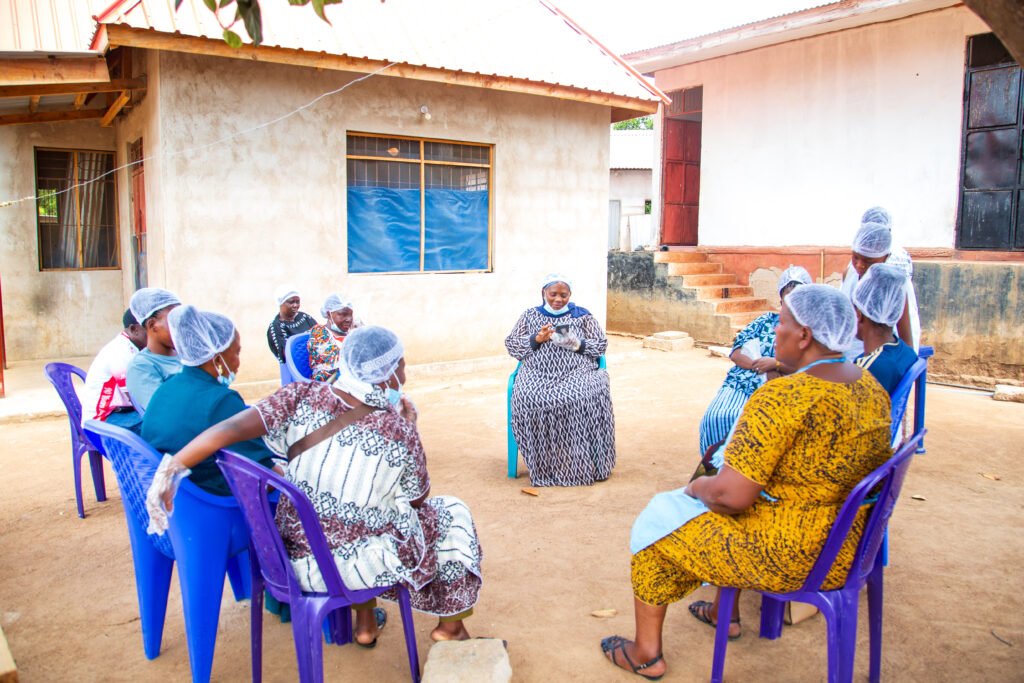
The women expressed their commitment to applying relevant lessons from the visit and sharing the knowledge with other fish processors in their respective communities across Kigoma, Katavi and Rukwa regions.
Through this exchange, EMEDO, with support from TNC, is creating opportunities for women in different fishing communities to learn from one another, discover practical innovations and explore ways to strengthen their economic activities.
Connecting women from the Lake Tanganyika and Lake Victoria zones demonstrates the value of peer learning in expanding knowledge and introducing new possibilities. By adapting relevant practices to their local contexts, women fish processors can explore better ways to process, preserve and market their products.